Blake Meier · 7 October 2026
Decoding Synergies Between Modular Component Integration and Resource Allocation Patterns in Niche Digital Ecosystems
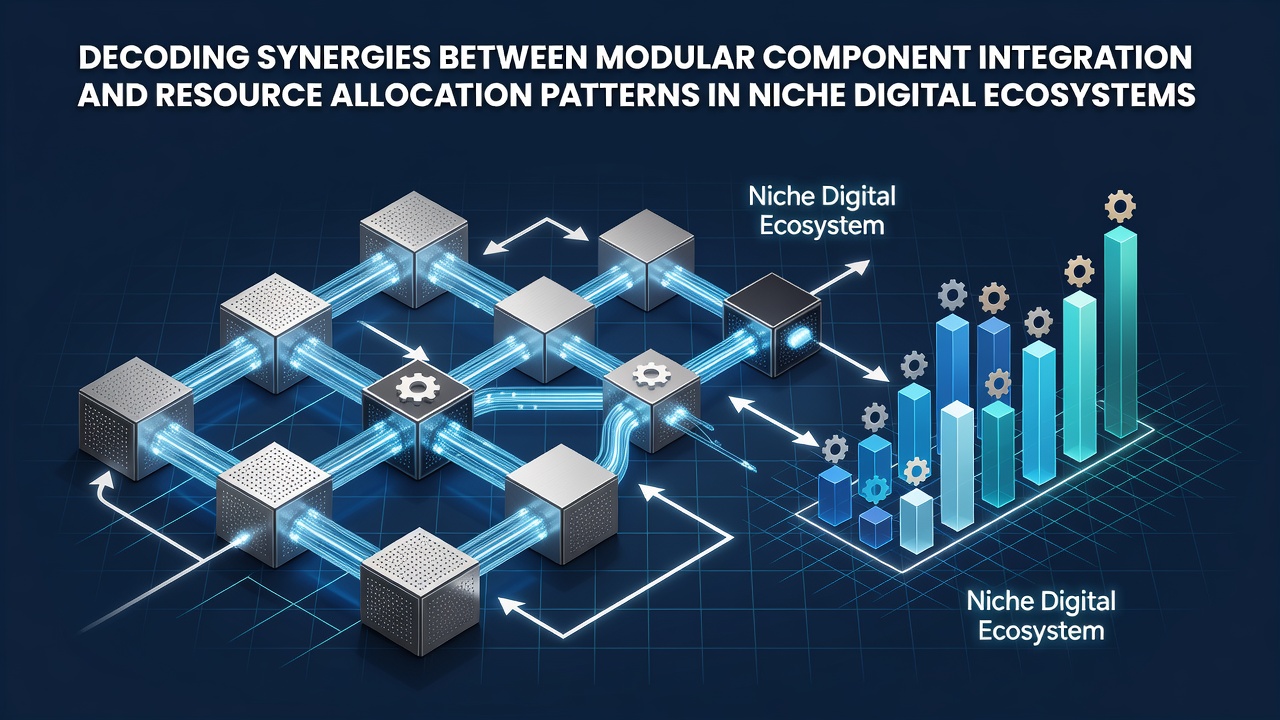
Specialized online platforms often combine modular component integration with targeted resource allocation to support focused user groups, and data from multiple industry analyses shows these two elements interact in measurable ways across hobbyist forums, niche e-commerce sites, and domain-specific applications. Researchers tracking platform architecture note that modular components allow independent updates to features such as search filters, payment gateways, or user profile tools without disrupting the entire system, while resource allocation patterns determine how server capacity, bandwidth, and development time get distributed among those modules.
Studies conducted by academic teams at various universities indicate that platforms using modular designs achieve faster iteration cycles because each component operates with defined interfaces, and this separation reduces the risk of cascading failures when one part receives an upgrade. In October 2026 several reports highlighted continued growth in these approaches within smaller digital communities where user bases range from a few thousand to several hundred thousand active participants.
Core Elements of Modular Component Integration
Modular integration relies on standardized APIs and containerized services that plug into a central framework, and observers note this structure lets teams add or remove functionality based on shifting community needs. Take one analysis from the European Commission's digital innovation reports, which documented how small-scale platforms in creative sectors adopted microservice patterns to handle tasks like content recommendation and moderation queues as separate units. The same reports show that integration points must maintain consistent data schemas otherwise synchronization issues appear during peak usage periods.
Those who've examined code repositories across niche platforms find that successful modular setups include version control protocols and automated testing suites, and these safeguards help maintain stability even when multiple contributors work on different components simultaneously. Data indicates that platforms with clear module boundaries experience fewer downtime incidents compared to monolithic alternatives, although the exact reduction varies by team size and technical expertise.
Resource Allocation Patterns in Practice
Resource allocation involves decisions about compute power, storage, and human effort that get assigned to individual modules or shared infrastructure layers, and patterns emerge when platforms prioritize certain features over others. For instance, a community focused on vintage car restoration might direct more bandwidth toward image hosting modules while limiting resources for real-time chat functions. Figures from the Australian Digital Economy Strategy reveal that niche operators frequently adjust allocations quarterly based on usage analytics rather than fixed annual budgets.

Allocation patterns also reflect external factors such as seasonal traffic spikes or regulatory changes affecting data storage requirements, and experts tracking these shifts observe that platforms using predictive modeling tools tend to rebalance resources more efficiently. Research published through the National Institute of Standards and Technology outlines frameworks for measuring allocation effectiveness through metrics like response time per module and overall system throughput, and these metrics help operators identify underutilized components that could receive reduced support.
Observed Synergies Between the Two Approaches
When modular integration and resource allocation operate together, platforms gain flexibility to scale specific features without overcommitting entire infrastructure stacks, and case examples from specialized health-tracking communities demonstrate this effect clearly. One documented instance involved a platform that isolated its data visualization module, allowing the team to allocate additional GPU resources only during report generation periods rather than continuously. Observers tracking similar setups note that such targeted allocation lowers operational costs while preserving performance for core user interactions.
Patterns show that modules with high variability in demand benefit most from dynamic allocation rules, and these rules often incorporate feedback loops from usage logs to trigger automatic adjustments. Data collected across multiple platforms indicates that integration points become more reliable when resource managers account for module-specific latency tolerances during the design phase, and this alignment reduces the need for emergency scaling interventions.
Measurement and Monitoring Techniques
Teams monitor synergy effects through dashboards that track both module health and resource consumption in parallel, and common indicators include API call volumes per component alongside CPU and memory utilization rates. Researchers who analyzed logs from several niche platforms found correlations between modular update frequency and allocation accuracy, suggesting that frequent small changes allow finer resource tuning than infrequent large releases.
Tools built on open standards help surface these correlations without requiring custom development for each platform, and organizations adopting such tools report clearer visibility into how integration decisions influence overall efficiency. Patterns emerging from this data continue to inform planning processes for operators managing constrained budgets in competitive digital spaces.
Conclusion
Evidence from ongoing platform studies demonstrates that modular component integration and resource allocation patterns interact through shared metrics and feedback mechanisms in niche digital ecosystems, and these interactions support more precise scaling decisions as usage patterns evolve. Continued observation through 2026 and beyond will likely refine the specific thresholds at which synergies produce measurable gains in stability and cost control.